
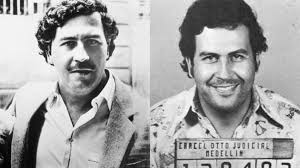
Pablo Escobar — one of the most notorious drug lords in history — met his violent end in Colombia after years of evading capture and spreading fear across the continent. His death marked the collapse of the powerful Medellín Cartel and reshaped the future of the country’s war on drugs.
The Date and Circumstances of His Death
Pablo Emilio Escobar Gaviria died on December 2, 1993 in Medellín, Colombia. A long‑running manhunt culminated in a rooftop shootout between Escobar and the Colombian National Police’s elite unit known as the Search Bloc. After being tracked to a middle‑class neighborhood called Los Olivos, Escobar attempted to flee across rooftops but was shot and killed during the confrontation. He was 44 years old at the time of his death.
According to historical accounts, Escobar was fatally shot while fleeing across rooftops during a violent standoff with police — effectively ending the 16‑month search that had dominated Colombian law enforcement efforts.
Talented chroniclers from major outlets have described the day of his death as a turning point in Colombia’s struggle against organized crime. As reported by BBC News, the death of Escobar in 1993 not only brought an end to his personal reign of terror but also accelerated the fragmentation of the Medellín Cartel and its dominance in the global cocaine trade (according to BBC News on Escobar’s death and its aftermath) (This moment marked a decisive shift in how Colombia approached both internal security and international cooperation.
Media coverage from the time emphasized the dual nature of Escobar’s legacy: both his brutal tactics and the popular support he had among some impoverished communities. Thousands of Colombians attended his funeral, and many mourned his death — illustrating how complex his influence was within his home country. (
The Final Hours: Manhunt and Shootout
Before his death, Escobar had spent months on the run after escaping from La Catedral, a luxury prison he had designed for himself. Colombian forces, with assistance from the U.S. Drug Enforcement Administration (DEA) and intelligence support, hunted him down relentlessly. The Search Bloc eventually located him through intercepted phone communications and surveillance.
The standoff on December 2 was chaotic, with Escobar and his bodyguard attempting to escape through a maze of rooftops. During the exchange of gunfire, moments before his death, Escobar was struck by multiple bullets. Some controversial accounts and statements from his family later suggested that he may have taken his own life rather than be captured, though official reports primarily attribute his death to the police operation.
Aftermath and Historical Impact
Escobar’s death did not immediately end drug trafficking, but it did signify the collapse of the Medellín Cartel’s dominance. In the months following his death, rival organizations like the Cali Cartel briefly filled the power vacuum. Over time, more decentralized networks began to shape the global cocaine trade.
The historical significance of his death extends beyond narcotics: it became a cultural and political inflection point for Colombia. The government’s strategy against the cartel model gained new momentum, and international cooperation in anti‑drug enforcement tightened.
If you want to understand how Escobar’s death affected Colombia in the months and years that followed — including societal and political changes — check out our next article “What Was the Immediate Impact of Pablo Escobar’s Death on Colombia?”


