
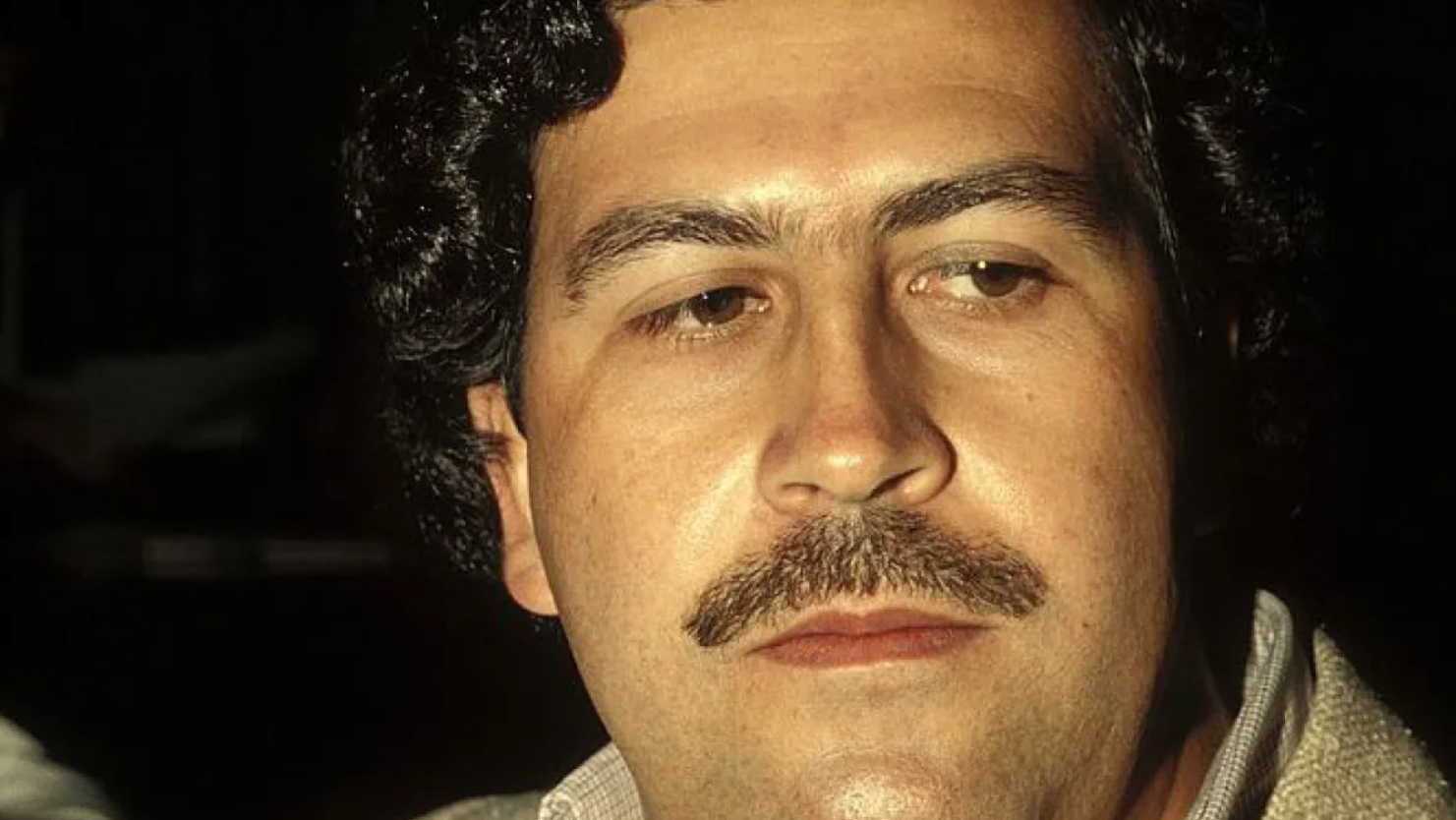
The death of Pablo Escobar on December 2, 1993, did more than end the life of a notorious drug lord — it triggered a series of consequences that reshaped the political, social, and criminal landscape in Colombia. From law enforcement shifts to changes in cartel structures, Escobar’s death marked a pivot point in the nation’s battle against drug trafficking and organized violence.
A Turning Point in Colombia’s War on Drugs
Escobar’s death did not instantly dismantle drug trafficking in the country, but it did significantly weaken the once‑powerful Medellín Cartel. The group had dominated the global cocaine supply in the 1980s and early 1990s, generating vast wealth and violence. Once Escobar was killed, this cartel fragmented rapidly, leaving a leadership vacuum that rival networks and smaller criminal gangs quickly filled.
As noted in international press coverage, his death “marked a major shift in Colombia’s approach to drug cartels — from battling a centralized cartel to facing diverse, decentralized criminal networks that would become harder to track and control” (according to BBC News coverage on Escobar’s death and its immediate effects)
Law Enforcement Gains and Challenges
Escobar’s demise was widely seen at the time as a victory for Colombian law enforcement and international anti‑drug efforts. The collaboration between the Colombian National Police, the Search Bloc (a specialized anti‑narcotics unit), and support from U.S. agencies like the DEA had culminated in his capture and death. This cooperation boosted morale among security forces and validated coordinated strategies against transnational crime.
However, while the Medellín Cartel disintegrated, the drug trade itself did not disappear. Instead, smaller cartels, such as the Cali Cartel, initially expanded their operations, and later, a constellation of paramilitary groups, criminal syndicates, and new drug trafficking organizations took different pieces of the illegal market. This diffusion made enforcement more complex.
Social and Urban Repercussions
In Medellín, Escobar’s death triggered both relief and deeper reflection. For years, his cartel had been associated with street violence, bombings, kidnappings, and widespread fear. Many residents celebrated the end of the era, but others remained wary, knowing that violence had become deeply embedded in the city’s social fabric.
Furthermore, the criminal vacuum left by the fall of the Medellín Cartel contributed to heightened activity by new criminal actors in urban neighborhoods. This necessitated changes in policing and social programs aimed at preventing gang recruitment and addressing community needs.
Economic and Political Shifts
Politically, Escobar’s death altered how Colombian leaders approached security policy. The government strengthened institutions and pursued judicial reforms, albeit imperfectly, to better prosecute organized crime and protect civil liberties in a context of ongoing violence.
Economically, the shift away from a cartel‑dominated local economy also required shifts in labor markets and city planning. The investments and informal economies tied to cartel activities needed to be replaced with legitimate opportunities — a long‑term challenge that continues to shape Medellín’s development.
Cultural and Media Responses
Immediately after Escobar’s death, international and local media grappled with how to portray his legacy. In Colombia, many news outlets framed his death as the end of a tragic chapter, emphasizing the suffering of victims and the country’s resilience. International documentaries and reporting began to explore not just the man, but the conditions that enabled his rise and the consequences of his fall.
If you’d like a deep dive on the exact date and events surrounding Pablo Escobar’s death, check out our article “When Did Pablo Escobar Die and What Happened That Day?”, where we unpack the key moments in that final chapter.


